CLT11003A2
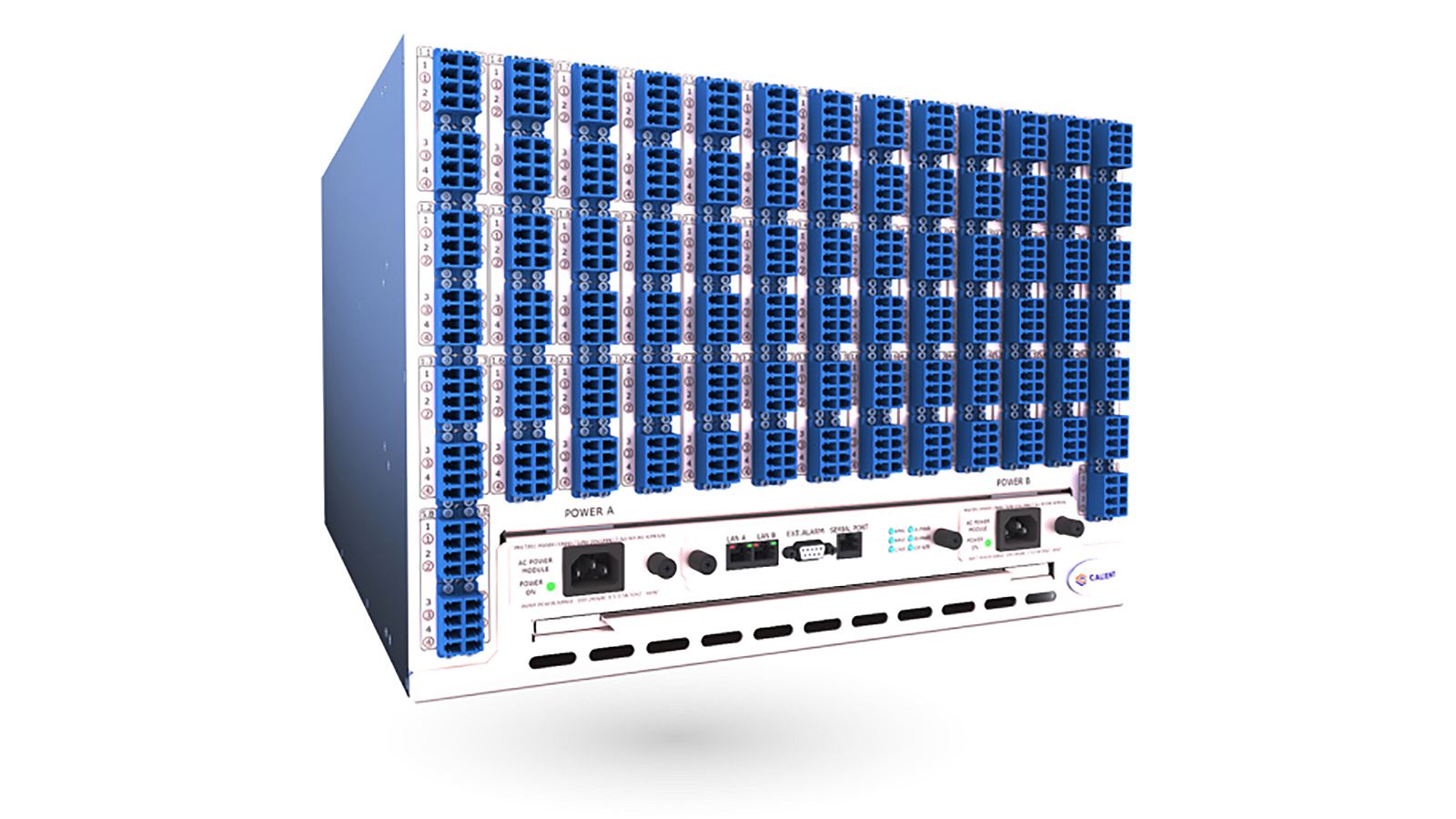
Automation Optical Switches
MEMS-based optical circuit switch with 320 ports, sub-30 ns latency, and low insertion loss for automated single-mode test lab connectivity.

PLT1008A
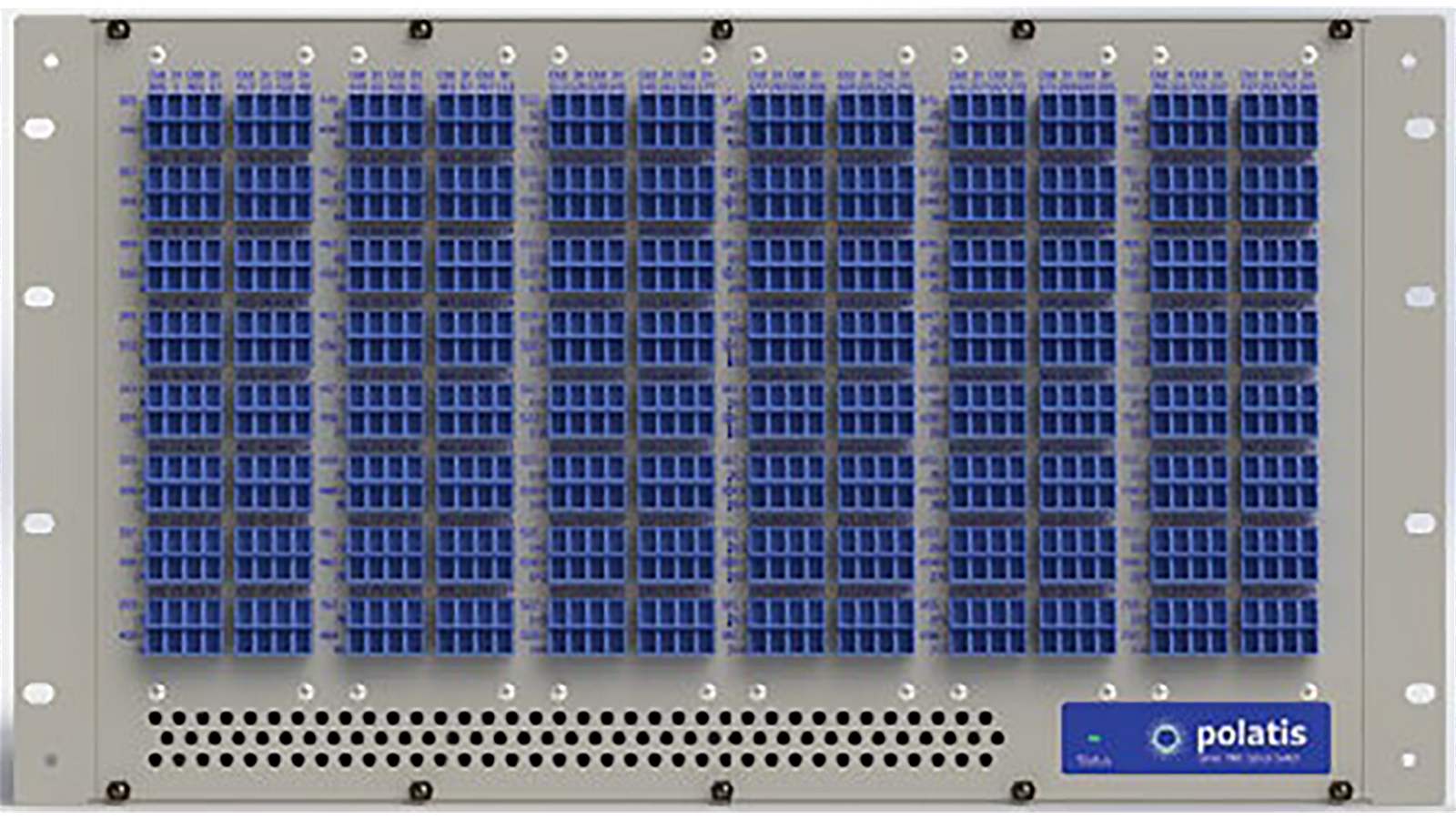
Automation Optical Switches
Nonblocking all-optical matrix switches from 8×8 to 384×384 ports with low insertion loss, dark fiber switching, and SDN interfaces for lab or network use.

TLS1011A
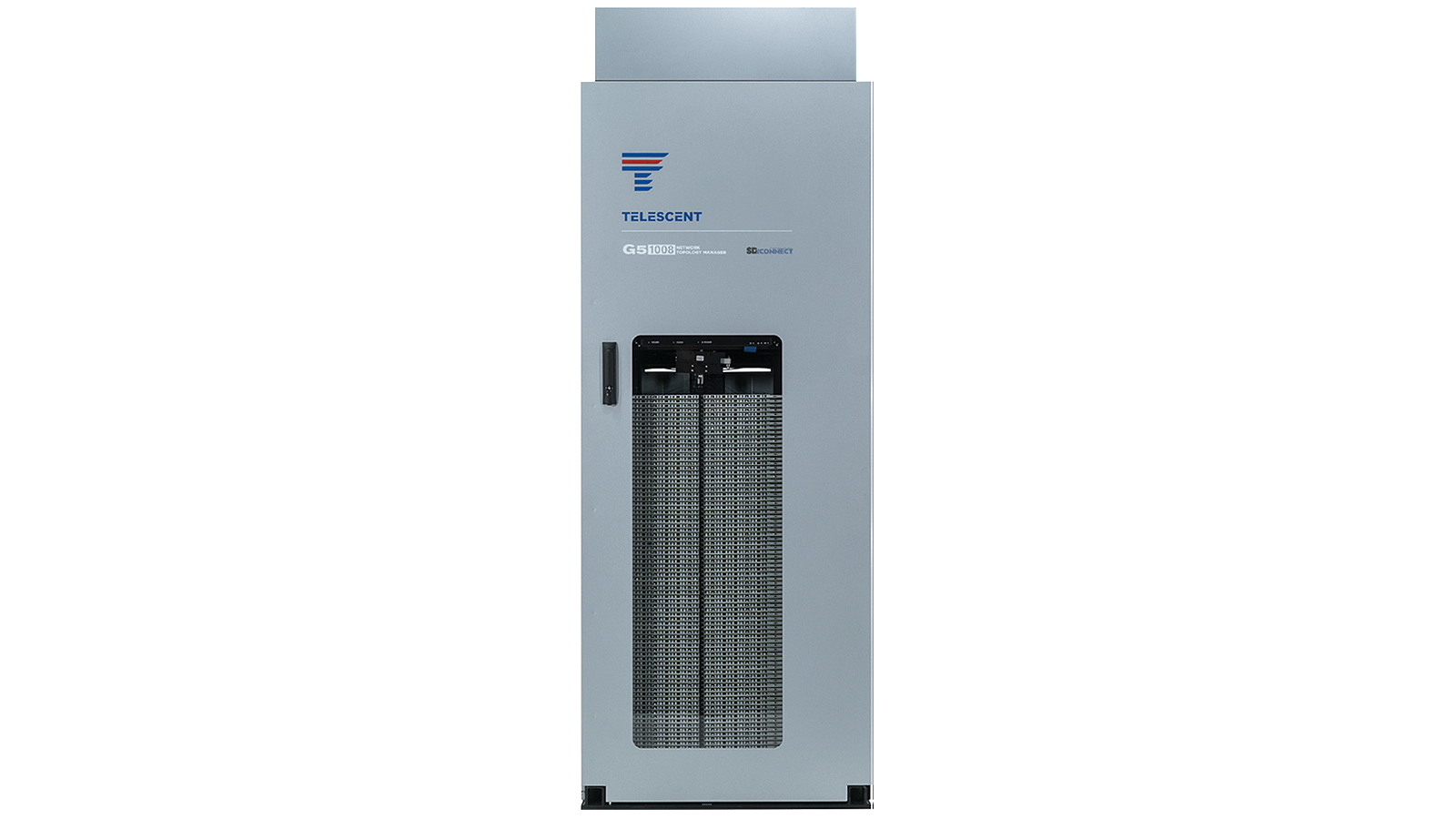
Automation Optical Switches
Robotic optical patch panel scaling from 48 to over 10,000 fibers with ultra-low insertion loss and single-mode or multimode fiber support.

OB5AP7MA
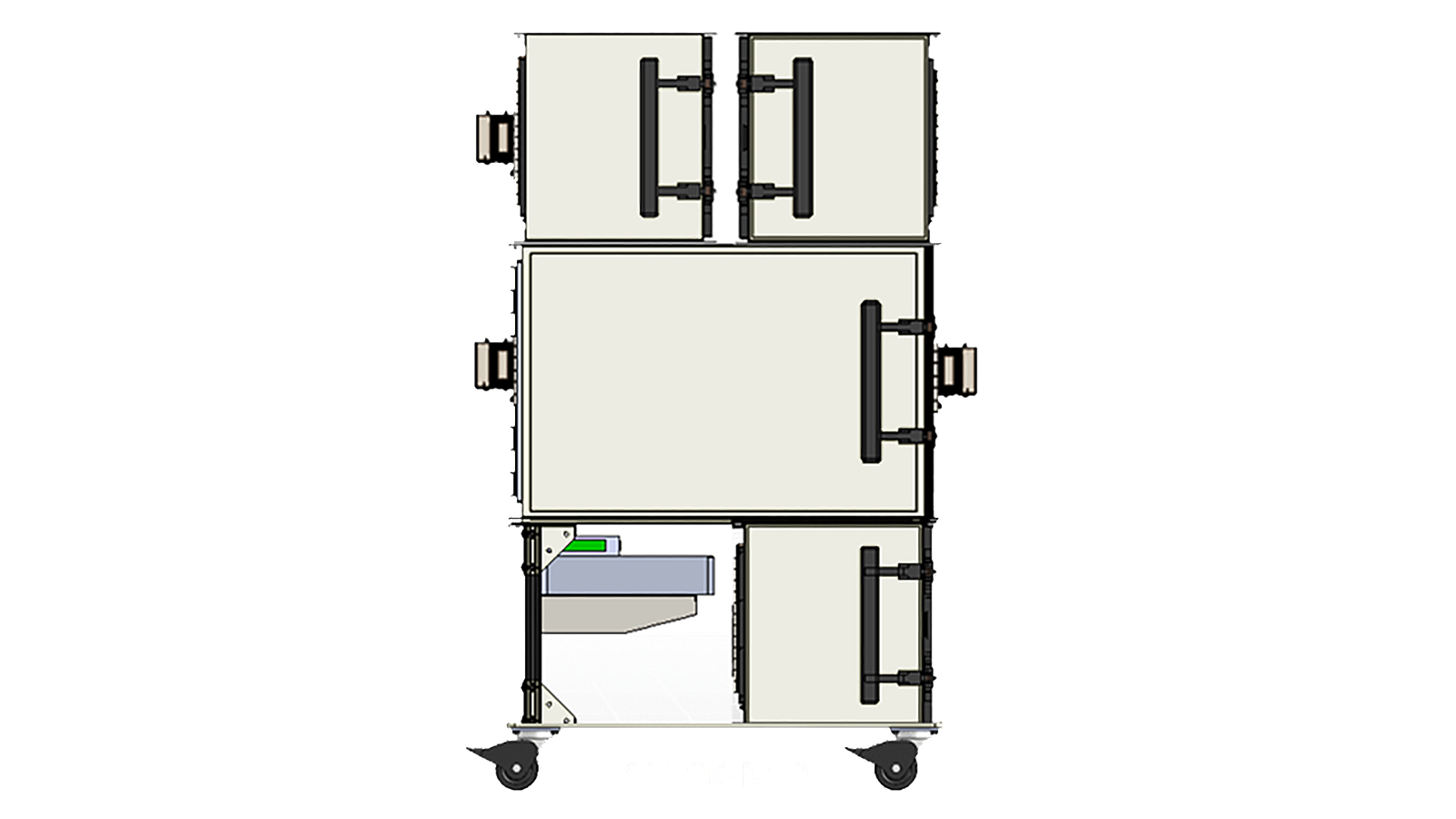
Isolated Chamber Wireless OTA Testing
The Keysight Octobox Stack-Mid automated testbed delivers multi-location Wi-Fi and 5G testing with expanded STA capacity and MU-MIMO OTA in a stackable anechoic chamber.

OB5AP7SA
Isolated Chamber Wireless OTA Testing
The Keysight Octobox Stack-Min automated testbed provides a stackable anechoic test environment for Wi-Fi and 5G device testing with built-in emulators, attenuators, and automation.

OB5AP7XA
Isolated Chamber Wireless OTA Testing
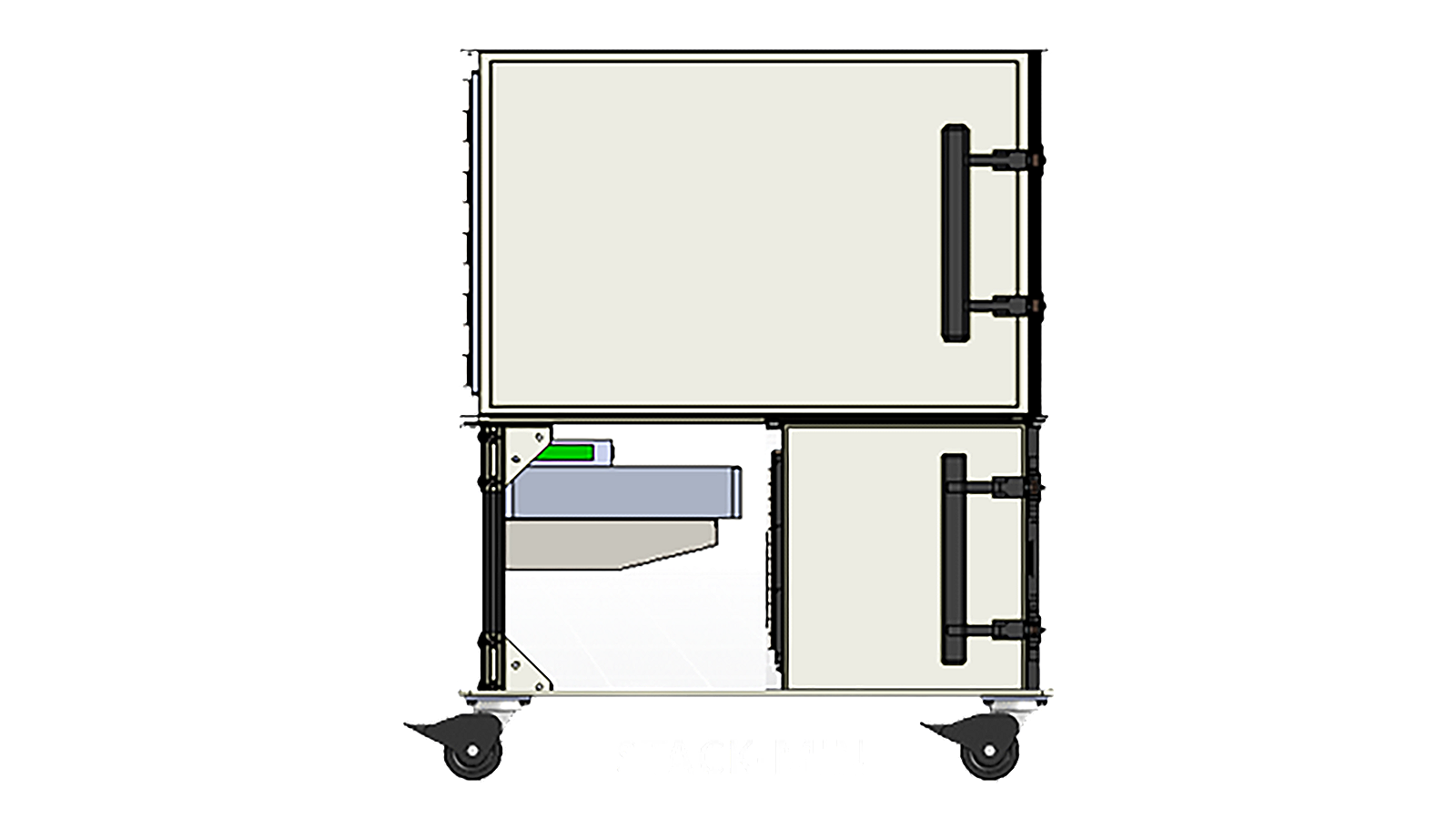
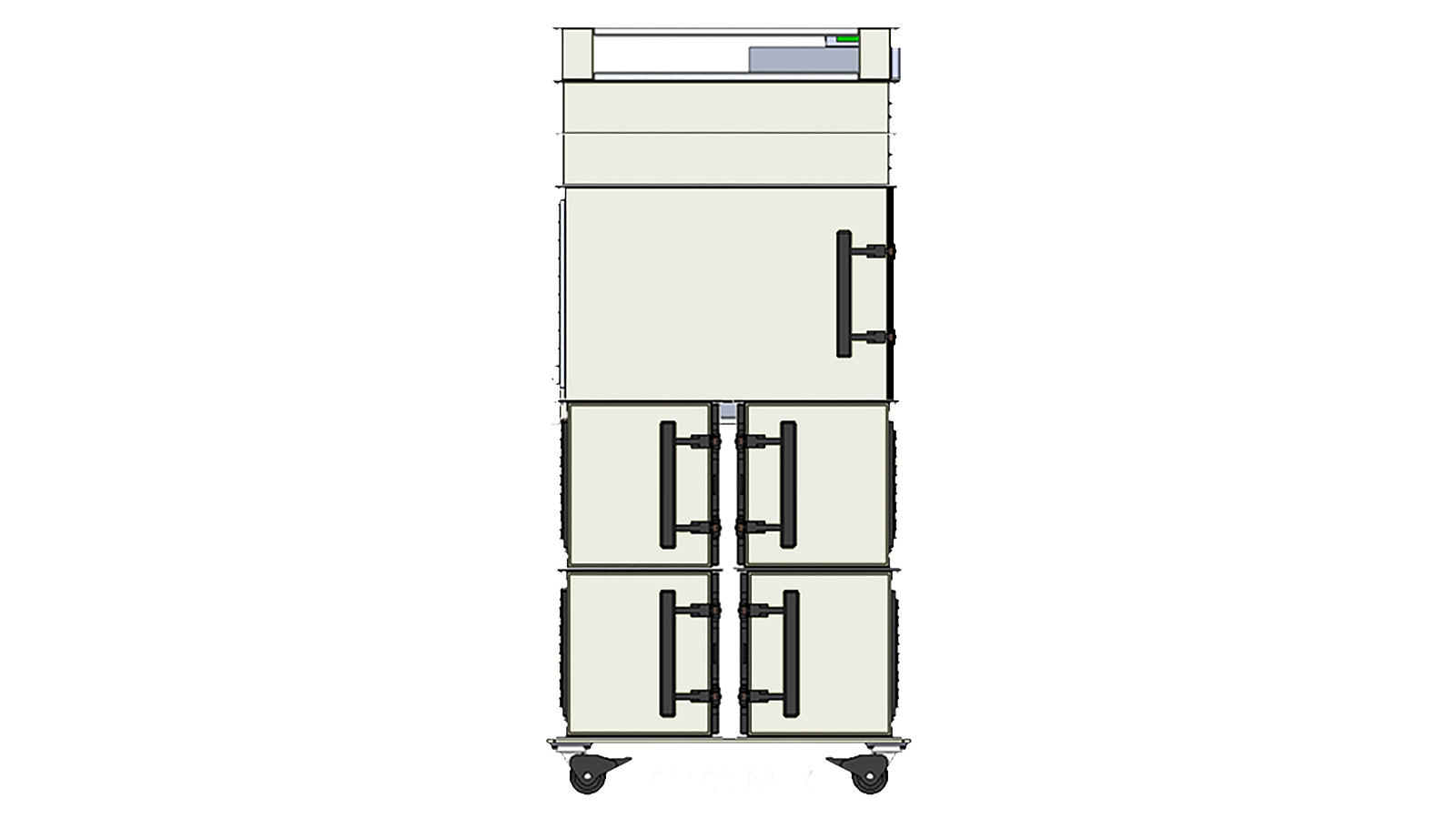
The Stack-Max is the highest-capacity Octobox testbed for Wi-Fi and 5G testing with tri-band throughput, OFDMA, MU-MIMO OTA, and up to 28 real STAs.
DS2210A
Software
Detect, localize, and mitigate side-channel leakage before tape-out. Inspector SC2 Pre-Silicon Side-Channel Analysis enables hardware security, design, and verification teams to identify side-channel vulnerabilities during design phase and development, before silicon is manufactured (pre-silicon). While traditional post-silicon testing can determine whether leakage exists in a fabricated device, Inspector provides visibility into where leakage originates within the design, helping teams identify the root cause and evaluate mitigation strategies earlier in the development lifecycle. By analyzing register-transfer level (RTL), synthesized netlist, and gate-level designs using simulation test vectors and Value Change Dump (VCD) files, Inspector SC2 Pre-Silicon Side-Channel Analysis identifies which signals leak, how much they leak, when leakage occurs, and where it originates within the design. This visibility enables teams to validate countermeasures, compare design alternatives, and reduce the cost and risk of discovering vulnerabilities after fabrication.